Animation · Claude Opus 5.5
Lottie Like Button: Heart and Particle Burst
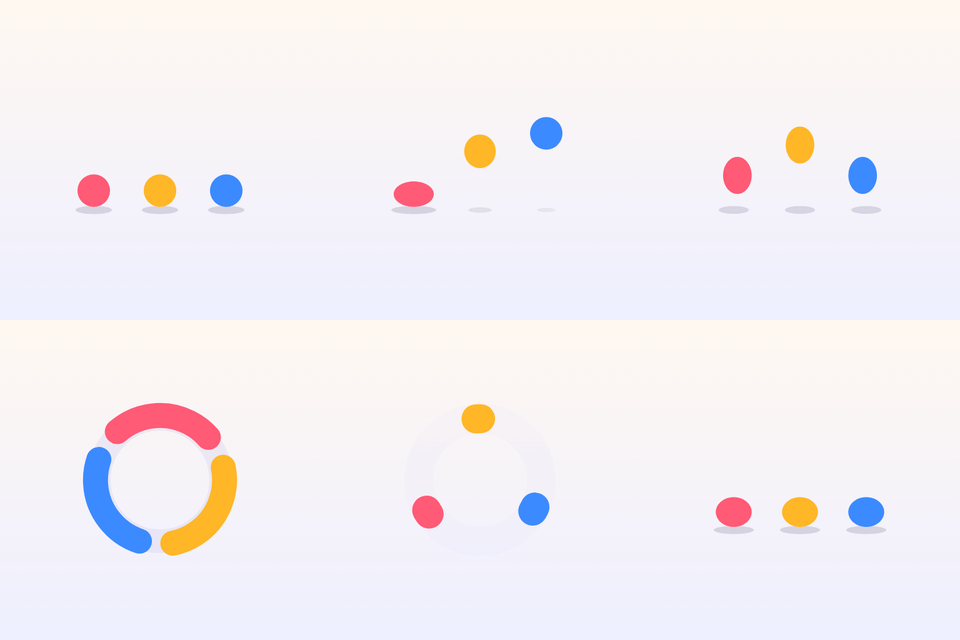
An outlined heart anticipates, fills red, releases a colorful burst, beats twice, and returns to its idle state.

Reusable prompt
Original prompt wording has not been verified. Use this as a starting point and consult the linked source for the creator’s instructions.
Design a short looping Lottie interaction for a like button. Begin with an outlined heart, add a brief anticipation squash, fill it red as it expands, release a ring and a small burst of colorful stars, then settle and return to idle.

Use only vector shape layers. Keep the loop compact, responsive, and readable at 48 px.
Adapt this example
Editorial guidance based on the listed brief and source. These steps have not been tested as a reproduction of the displayed result.
What to prepare
The published JSON is 512×512 at 60 fps, frames 0–180: a three-second composition. It has heart, particles, burst and background layers and no external assets. Decide which UI action should trigger it and supply a static liked state for reduced motion.
Suggested workflow
- Load the source JSON in the actual Lottie player and verify its frame range before changing the timing.
- Keep liked/unliked application state separate from playback. Trigger the burst on a successful state change, not every render.
- Adapt colour and size, then test rapid repeated taps and rendering inside a small icon container.
What to check
- A second tap does not create duplicate players or an endless animation loop.
- The icon has a clear static state with reduced motion or failed animation loading.
- Keyboard activation and touch produce the same state change; focus remains visible.
- Particles stay inside the intended icon container without clipping important shapes.
If the result needs work
If rapid taps replay stale state, use one player instance, stop or seek it deliberately and derive the icon state from the saved application state. If particles are clipped, inspect the container bounds before changing the source artwork.